

If you are like most households, the answer is likely "never" - or at least, "not since the internet provider installed the router years ago."
We tend to treat routers like household appliances: once they work, we hide them behind the TV and forget them. But your router isn't just a utility; it's the digital front door to your entire family’s data. Leaving the same password active for years creates silent vulnerabilities.
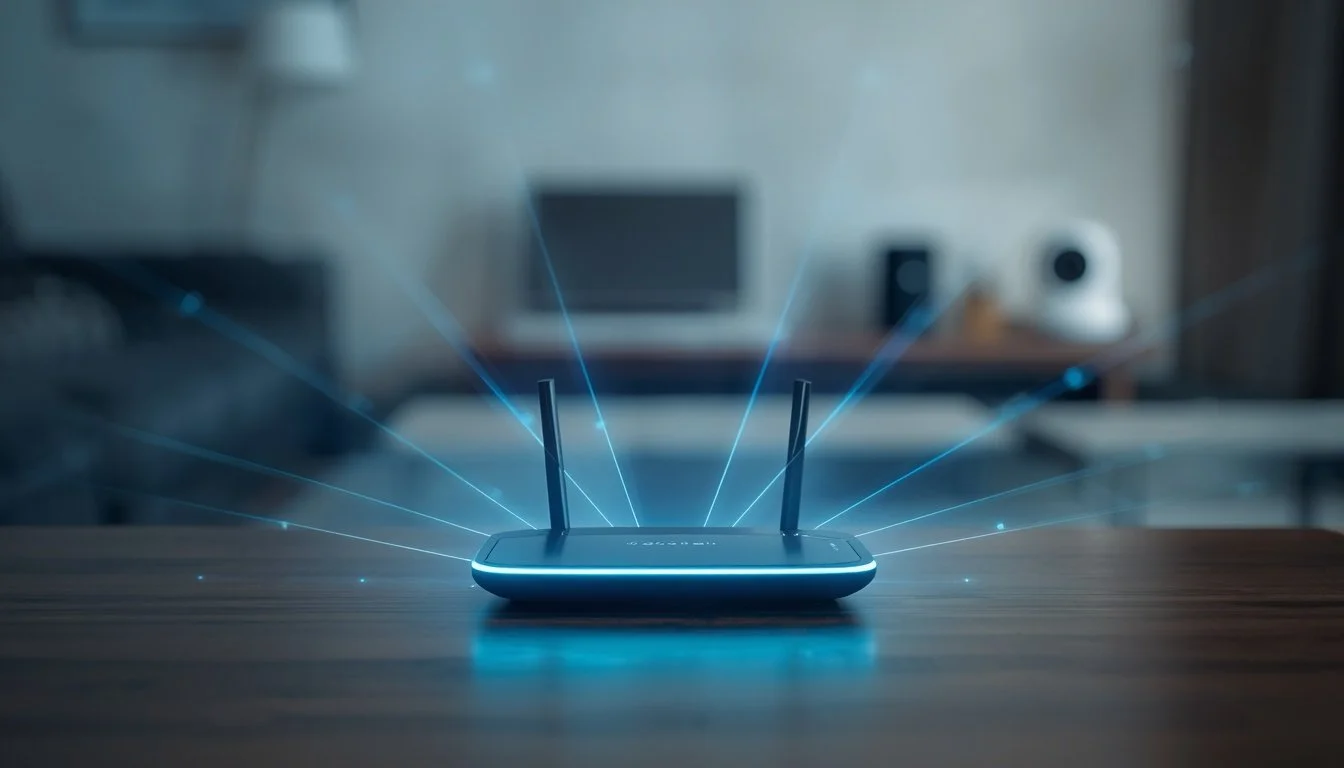
Updating your password isn't just about stopping people from stealing your internet connection; it's about protecting every single device connected to it - from your personal laptops to your smart home tech.
The Real Risks of a Stale Wi-Fi Password
The "Extended Network" Vulnerability: Think of every friend, neighbor, babysitter, or contractor who has ever asked for your Wi-Fi password. Even if they left your house months ago, their devices still remember your network. If their phone gets compromised or malware-infected outside your home, they could automatically reconnect and bring that risk right into your private network next time they sit in your driveway or visit.
The Smart Home Exploitation Window: Most modern homes are packed with smart TVs, baby monitors, security cameras, and smart appliances. These "Internet of Things" (IoT) devices are notoriously weak on security. If a bad actor decrypts a long-standing, weak Wi-Fi password, your router gives them lateral access to try and exploit those connected family devices.
Bandwidth Theft and Activity Tracking: Beyond malicious hacking, old passwords leak. Neighbors or unauthorized users hitching a ride on your internet don't just slow down your streaming - their online activities trace directly back to your household IP address.
Moving From "Soft Target" to Secure
A simple baseline habit of rotating your Wi-Fi passphrase once or twice a year completely resets the board instantly kicking off unauthorized users, old guests, and stale connections.
Swenfort Pro Tip: While changing your Wi-Fi password means manually reconnecting your household devices, a password manager simplifies the process. We use Proton Pass to instantly generate a strong, random network passphrase and securely share it within our family ecosystem. Instead of texting passwords or writing them down, everyone in the home gets encrypted access to the new key, while temporary links keep weekend guests off your primary network details.
Taking control of your digital perimeter doesn't have to be complicated. Small, intentional changes to your household habits keep your family's private data entirely in your hands.
