

How 20 years of convenience quietly stripped away our control over data.
Most of us simply wonder what has happened to our music, files, and pictures.
I’m always asking people how they manage their data ownership. One elderly lady keeps all her data on her mobile phone, managing space just by manually deleting and sorting pictures. Others refuse to take new photos and videos altogether.
What has happened in the last 20 years?
What has happened since the days when our music was on CDs, our videos were on DVDs, and our files lived on hard drives and USB sticks?
Four primary driving forces
There are four primary driving forces behind the shift away from ownership: Technology, Economics, Security, and Culture.
Technological & Infrastructure Drivers
Broadband & 5G Everywhere: High-speed, low-latency connectivity made streaming real-time data faster and more reliable than spinning up a local hard drive.
The Smartphone Revolution: Mobile devices prioritized portability over storage. Consumers needed access to terabytes of data on devices that only held gigabytes, forcing data into the cloud.
Hyperscale Cloud Providers: The rise of AWS, Microsoft Azure, and Google Cloud created massive economies of scale, making server leasing cheaper and infinitely more scalable than maintaining local server rooms.
Multi-Device Ecosystems: As users acquired phones, tablets, and laptops, manually transferring files via USB became intolerable. Cloud synchronization became a mandatory feature.
Device Miniaturization: To make laptops paper-thin, manufacturers stripped out CD/DVD drives and massive mechanical hard drives, effectively killing local media playback.
AI and Big Data Processing: Modern applications require immense computational power that local consumer hardware simply cannot provide. Processing must happen in the cloud.
Economic & Business Model Shifts
The SaaS Explosion (Software as a Service): Companies realized that selling a single $60 box of software once was far less profitable than charging $10 a month forever.
CapEx to OpEx Transition: Enterprises shifted from Capital Expenditure (buying physical hardware upfront) to Operational Expenditure (paying ongoing subscriptions to rent cloud space) to preserve cash flow and agility.
Streaming Replacing Sales: Spotify and Netflix proved that consumers would happily trade ownership of a CD or DVD for frictionless access to an infinite library.
FinOps & Cloud Economics: As organizations began overspending on cloud resources, a specialized financial management discipline (FinOps) emerged to track and cut costs - further cementing the cloud as a permanent financial commitment rather than a simple IT tool.
Digital Rights Management (DRM): To combat piracy, publishers tied software, games, and media to central authentication servers. You cannot play the game if the server cannot verify your license.
Walled Garden Ecosystems: Apple, Google, and Amazon designed platforms where services, hardware, and cloud storage are deeply integrated, making it incredibly difficult to leave.
Security & Regulatory Pressures
The Rise of Ransomware: When local networks became highly vulnerable to encryption malware, decentralized cloud backups became the ultimate failsafe.
Enterprise Security Maturation: Cloud providers simply have larger security budgets than 99% of businesses. Moving to the cloud became a way to outsource security baseline management.
Data Sovereignty Laws: Regulations like GDPR and the CLOUD Act forced companies to strictly manage where data lives and who owns it, pushing data into heavily audited, localized cloud silos.
Remote Work & Collaboration: The pandemic accelerated the need for decentralized workforces to co-author documents simultaneously - something impossible with locally isolated files.
Cultural & Behavioral Changes
Convenience Over Control: Given the choice between managing physical backups and paying $2 a month for Apple iCloud or Google Drive, consumers overwhelmingly chose convenience.
Social Media as an Archive: Platforms like Instagram and Facebook replaced physical photo albums. Users began uploading data directly to public clouds rather than storing it locally.
Digital-Only Economies: Video games and virtual spaces normalized buying digital assets (skins, items) that exist only on the provider's servers.
Loss of Technical Literacy: As systems became more user-friendly, the average user's understanding of file systems and local network management degraded, making self-hosting practically impossible for the masses.
We ended up with far more identities—dozens of usernames, logins, and passwords. Many of them got hacked. The stores we trusted got hacked.
The Consequences: A Rented Digital Life
The primary consequence of this 20-year shift is vendor lock-in. The cost of leaving the cloud - moving data, rewriting applications, and losing ecosystem integrationsoften exceeds the initial savings. We have moved from a model of purchasing assets to licensing access.
Additionally, we are now vulnerable to single points of failure. When a major cloud provider experiences an outage, half the internet, smart home devices, and payment gateways go offline. We have also seen a massive rise in "surveillance capitalism," where the true cost of "free" cloud storage and social media archiving is the wholesale scraping and monetization of user behavioral data.
Are We Losing Ownership and Security?
1. Ownership: Yes, definitively.
You do not own your pictures, your copy of your favorite music, movies, or software. You own a revocable license to access them. If a service goes bankrupt, loses a licensing dispute with a record label, or decides to ban your account for a Terms of Service violation, your entire digital library can vanish overnight. Furthermore, digital assets cannot be easily willed or inherited; when you die, your digital libraries legally die with you.
2. Security: We traded Privacy for Resilience.
From an IT security perspective (the CIA triad of Confidentiality, Integrity, and Availability), the cloud is a double-edged sword:
Availability has improved: Your pictures and files are safer from hardware failure, house fires, and stolen laptops than ever before.
Confidentiality has degraded: Your data now sits on multi-tenant servers. It is vulnerable to massive platform data breaches, algorithmic scanning by the provider (to train AI or serve ads), and government subpoenas under laws like the US CLOUD Act.
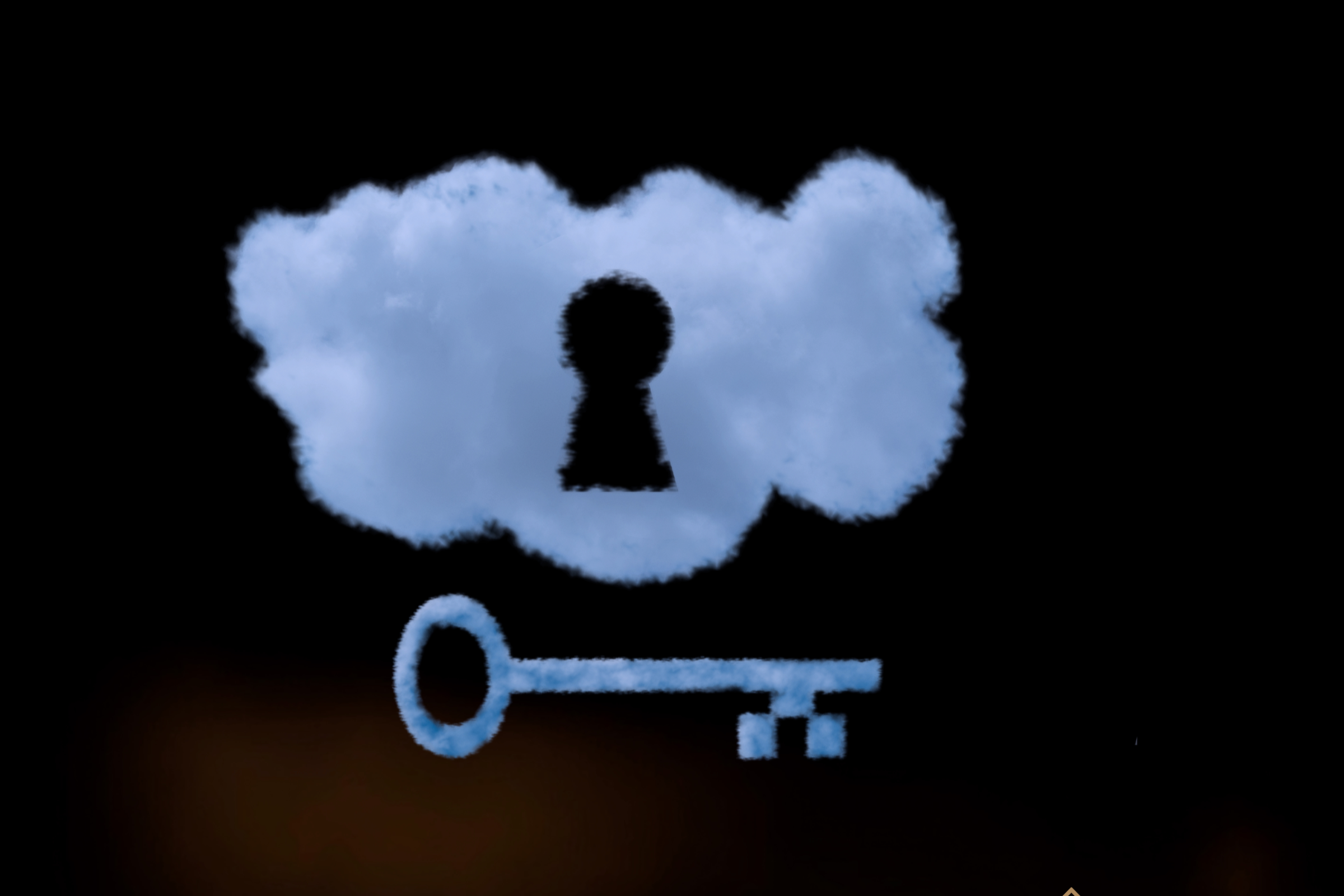
Ultimately, you are no longer the owner of your digital estate; you are a digital tenant. The roof won't leak, and the landlord handles the maintenance - but the landlord also has a master key, sets the rent, and can evict you at any time.
Conclusion
The shift to the cloud delivered undeniable convenience, but it quietly stripped away a fundamental pillar of security: absolute control over our own assets. Modern digital security isn't about rejecting cloud technology. It is about refusing to remain a helpless digital tenant.
True digital sovereignty requires a deliberate architecture. It means maintaining zero-knowledge encrypted backups, retaining local ownership of mission-critical data, and ensuring that you - only you - hold the encryption keys to your digital life.
I still consider myself part of the minority that truly manages and owns their data. If you want to take back control, gain peace of mind, and avoid the trial and error of building a secure architecture from scratch, reach out to us at Swenfort.
Author: Peter Olvecky, Co-Founder & Chief Information Security Officer, Swenfort
